Hyphae
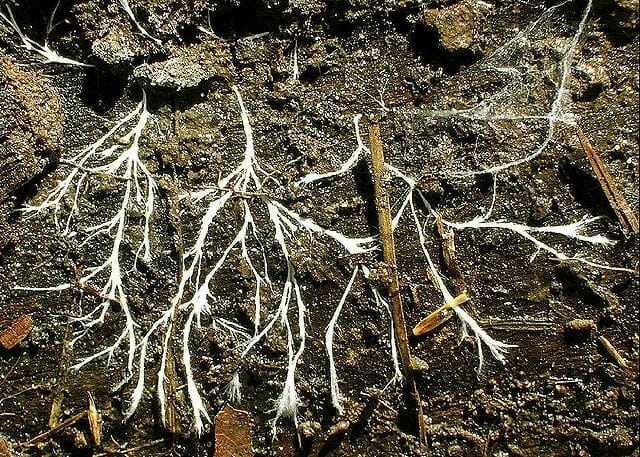
Microscopic fungal threads that branch, connect, and move through organic material.
Science
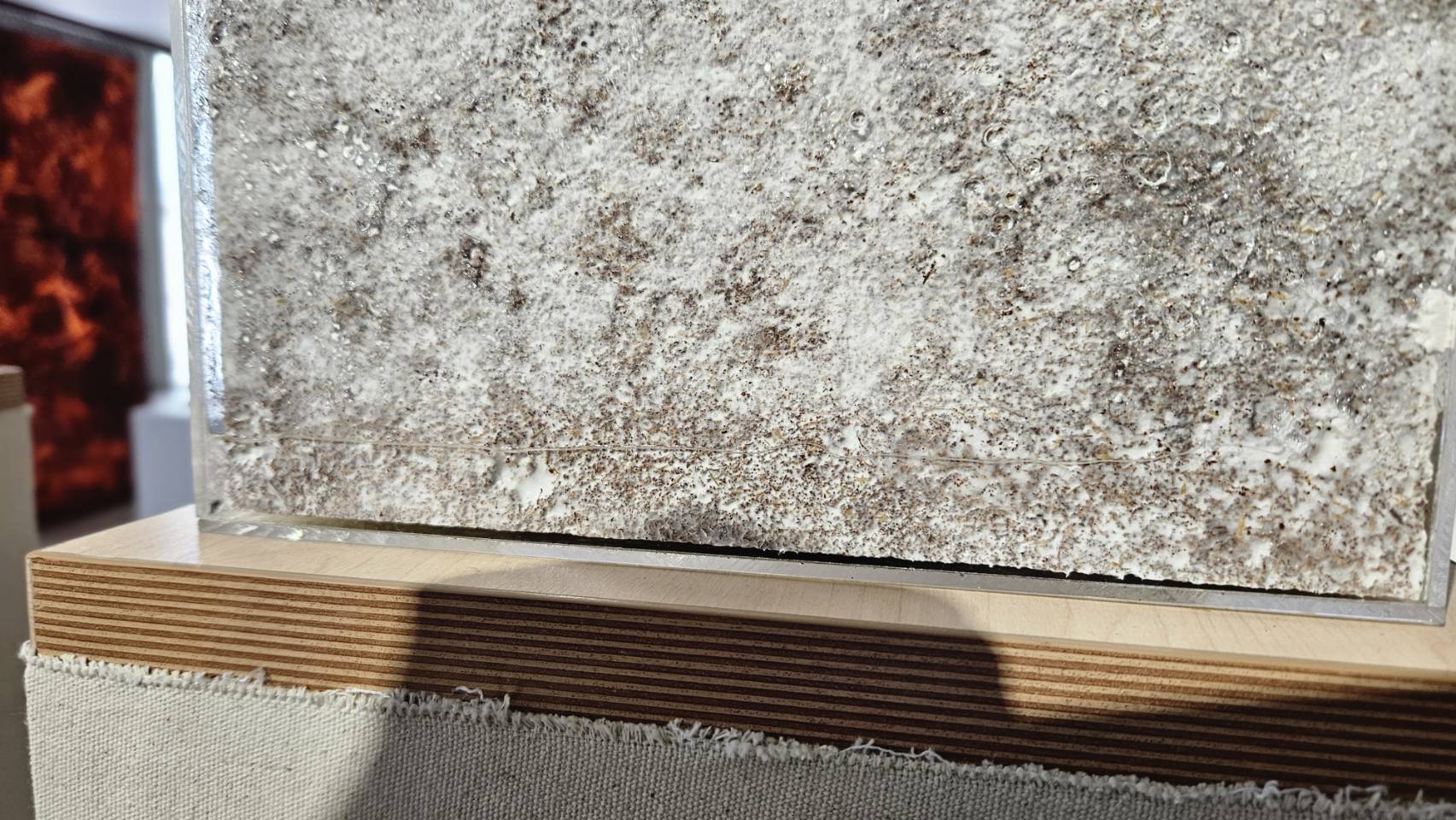
Mycelium is the root-like network of fungi. When grown through organic substrates such as agricultural byproducts, sawdust, husk, or other organic matter, it can bind particles together into lightweight composite forms.
In a composite, the mycelium acts like a natural binder. The final properties depend on substrate, density, geometry, growth conditions, drying, finishing, and testing.
Microscopic fungal threads that branch, connect, and move through organic material.
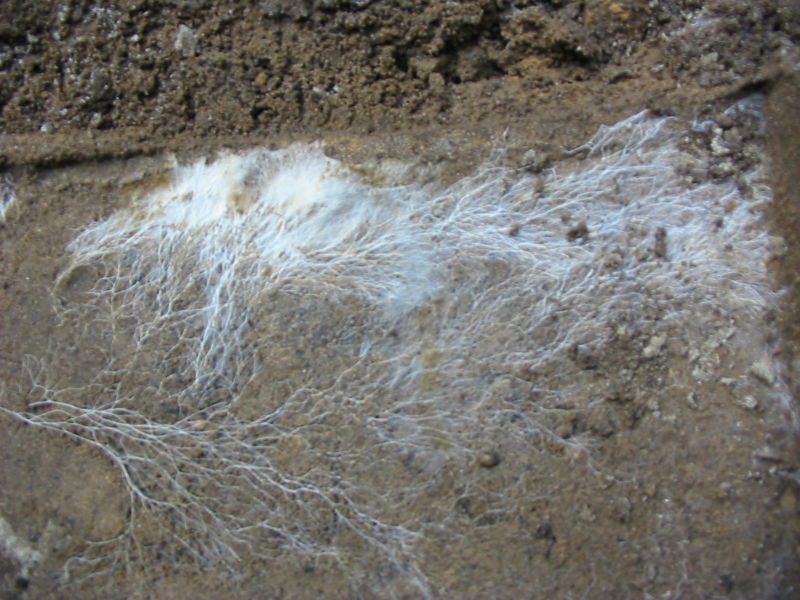
The network formed by hyphae. This network can bind a substrate together.
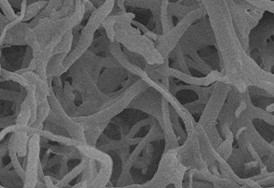
Structural compounds in fungal cell walls that contribute to stiffness, texture, and form.
Approach
Most materials are extracted, melted, fired, or synthesized through high-energy industrial systems. Mycelium offers a different direction: materials grown through biology, shaped through tooling, and developed from local organic waste streams.
For Culture Assembly, mycelium is both a material and a production question: what could we make if waste became feedstock, molds became habitats, and manufacturing became closer to cultivation?
Agricultural and organic byproducts can become inputs for regional material systems.
The material grows into shape inside molds, reducing the need for high-heat forming during early prototyping.
We are exploring applications for furniture, acoustic surfaces, lighting, objects, and spatial studies.
Qualities
Mycelium composites are not a single material. Their behavior changes with recipe, density, geometry, finishing, and testing. Our research focuses on how these variables can support useful, beautiful interior applications.
01
Low-density composite forms for panels, objects, and interior elements.
02
Forms can be grown inside designed molds, allowing biology and tooling to shape the final object.
03
Natural variation creates surfaces with warmth, grain, and visible material character.
04
Organic waste streams can become feedstock for material experiments.
05
Regional inputs can support shorter production loops and local material systems.
06
Durability, moisture behavior, acoustic properties, and fire response require controlled testing before architectural use.
Process
Our process studies how organic waste streams can be prepared, inoculated, grown, dried, and finished into useful composite forms.
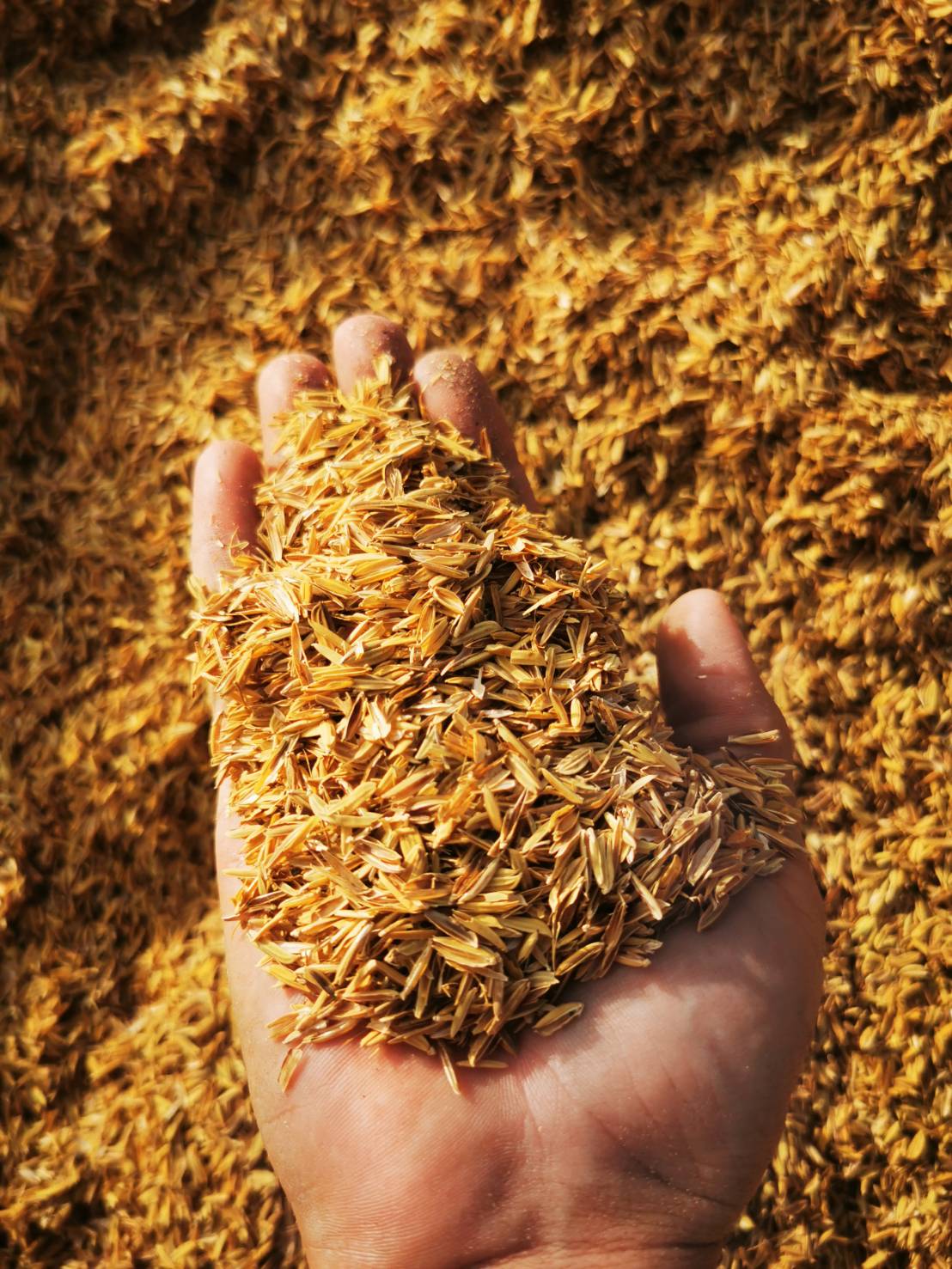
We explore agricultural, brewery, and organic byproducts as potential feedstocks for composite substrates.
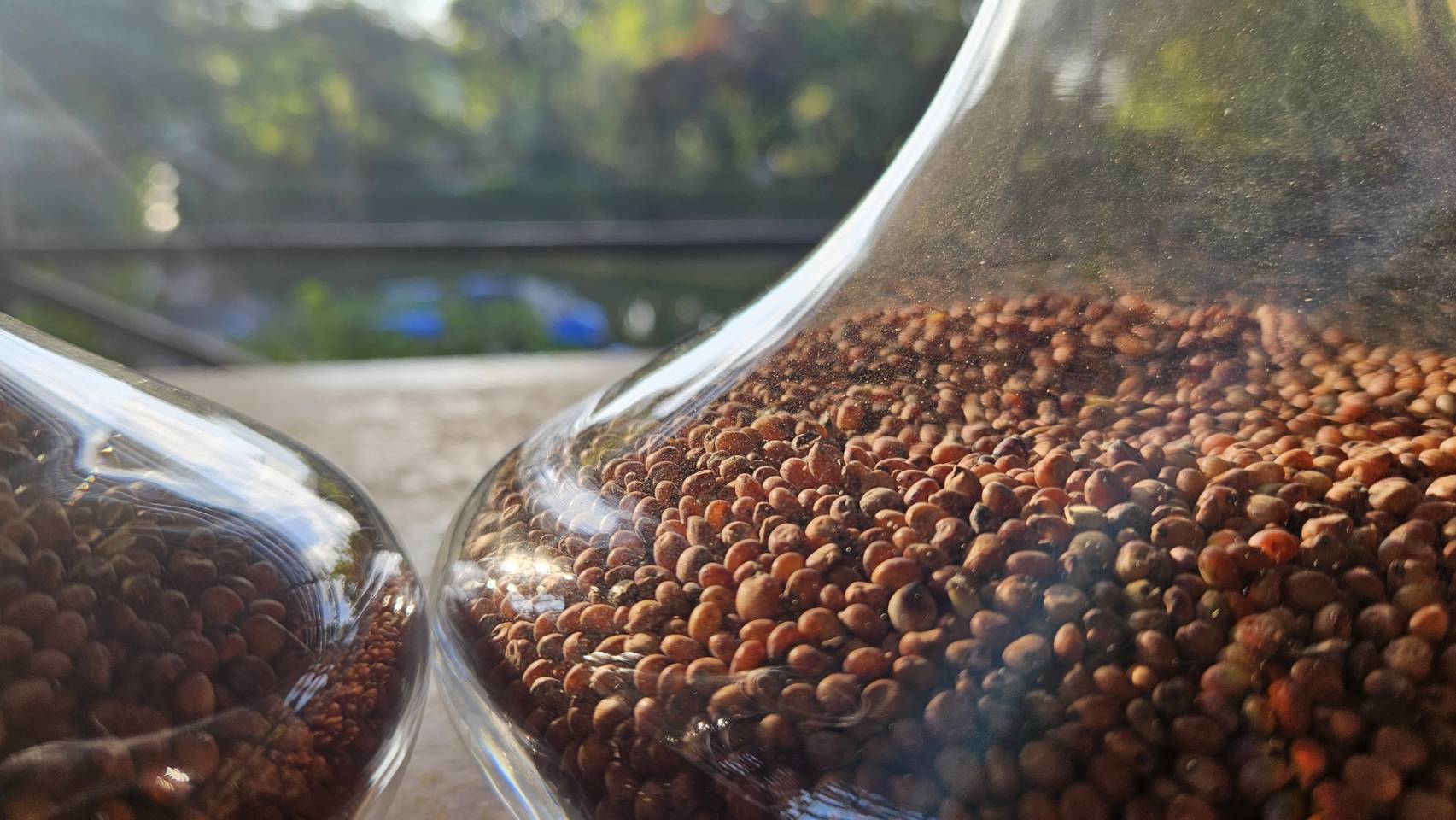
Inputs are cleaned, hydrated, and prepared into a suitable substrate for growth.
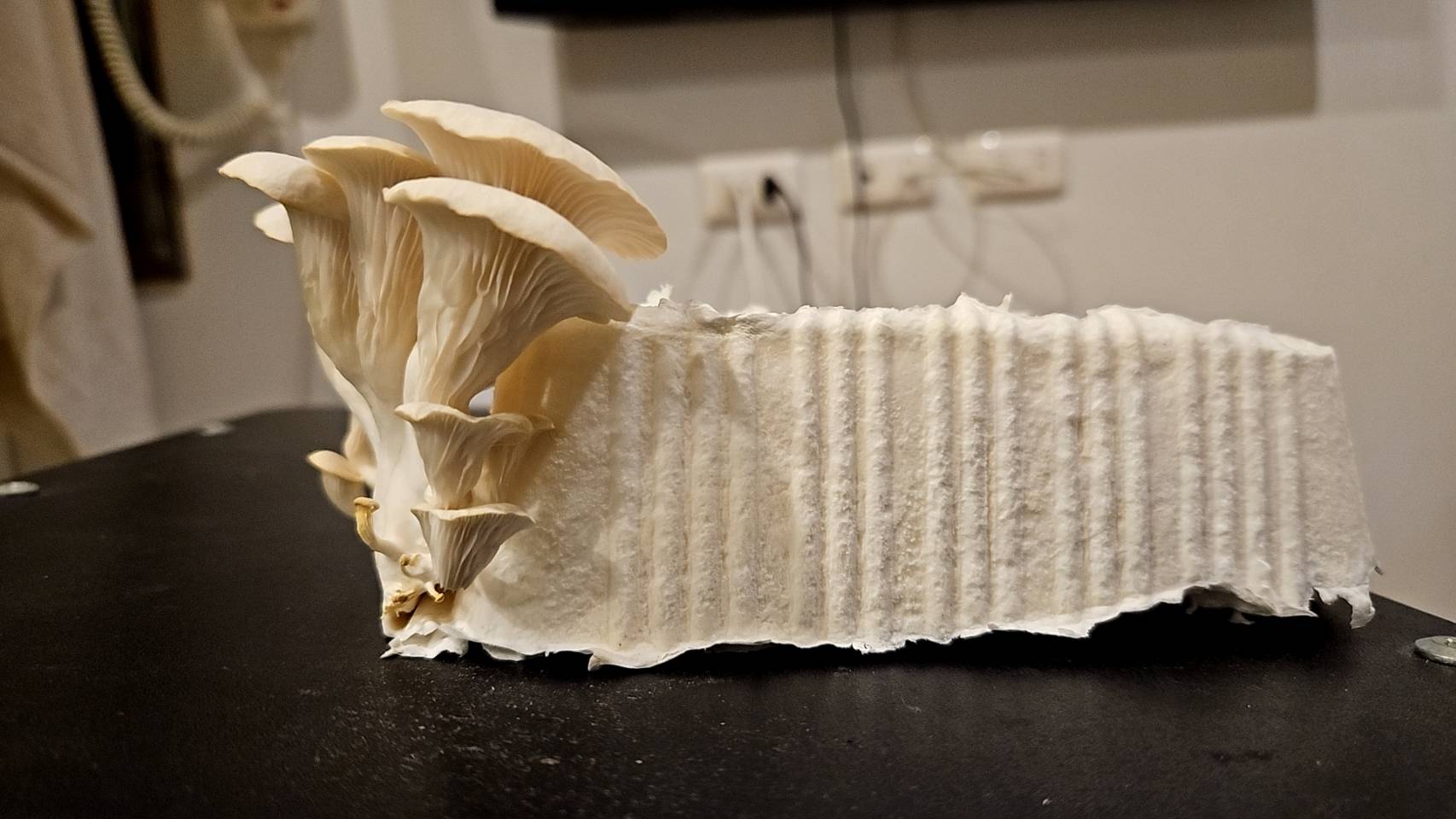
Fungal culture is introduced so the mycelium can colonize and bind the material.
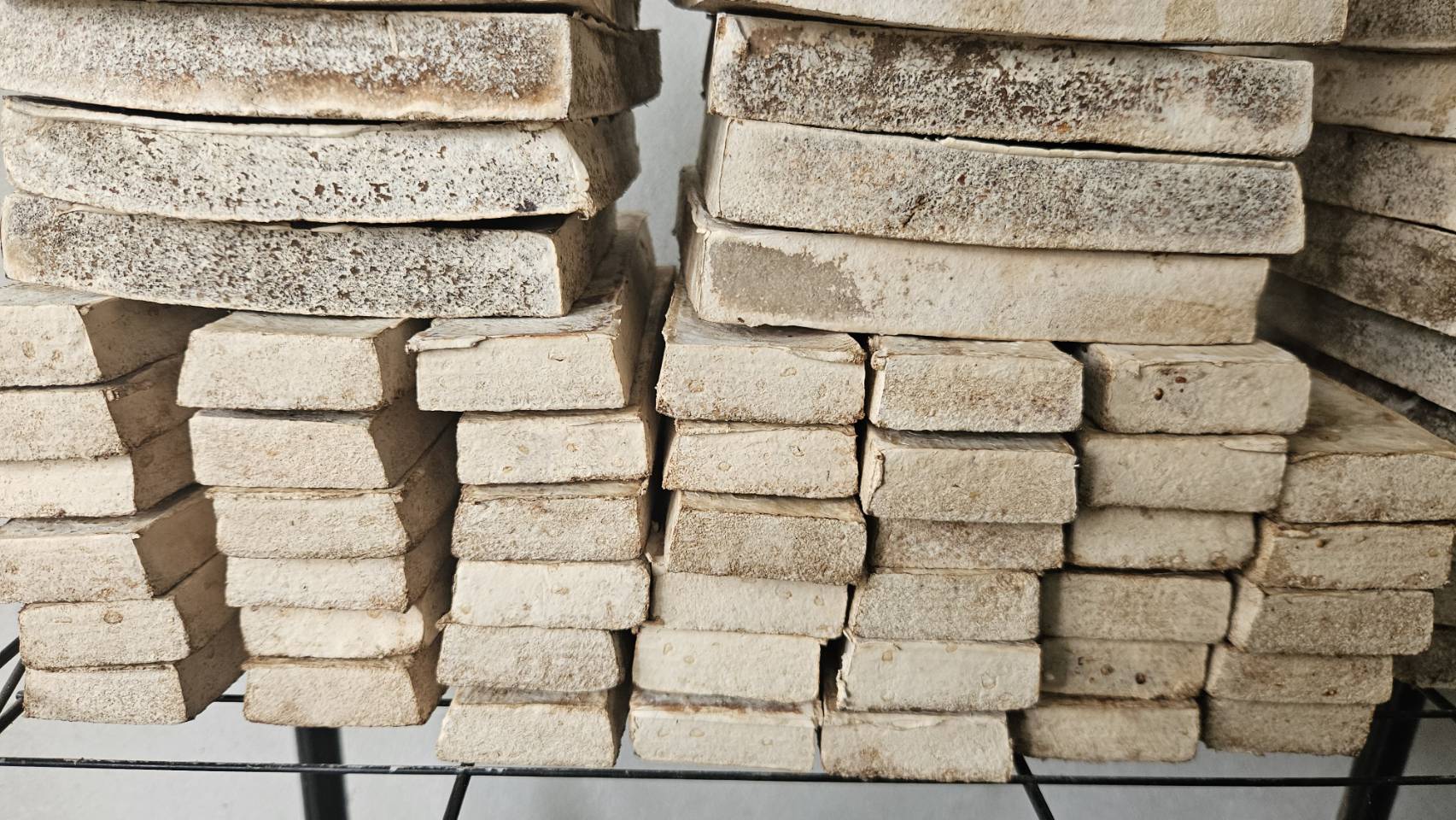
The material grows inside designed molds, allowing form and structure to emerge through cultivation.
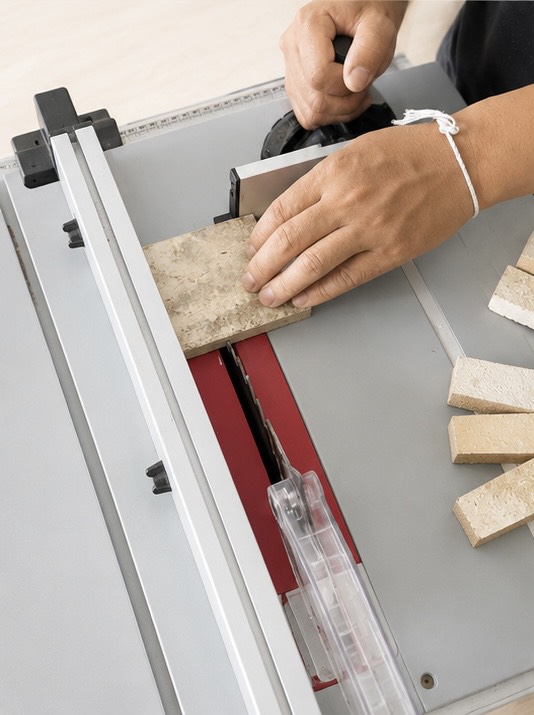
The grown part is dried to stop growth, then trimmed, sanded, coated, or finished depending on the prototype.
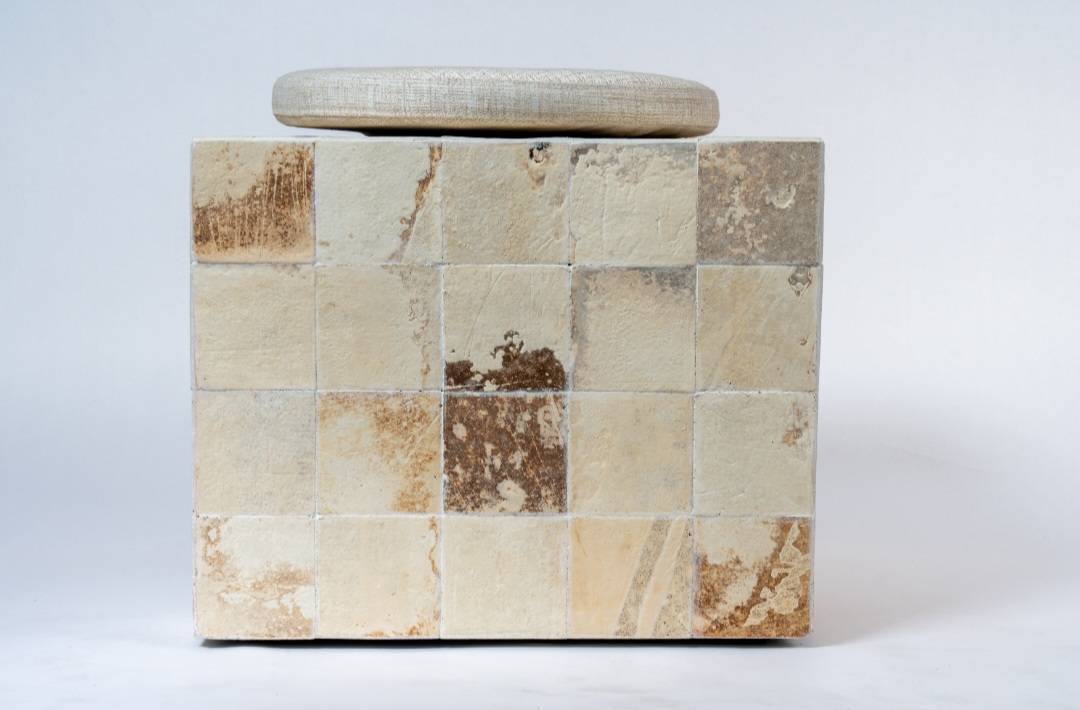
We study form, density, durability, texture, acoustic potential, and interior applications.
Applications
We are currently developing prototypes and material studies for interiors, furniture, acoustic surfaces, lighting, objects, and exhibition environments.
Stools, tables, shelves, seating elements, and lightweight interior objects.
Textural wall surfaces and acoustic studies for rooms, studios, hospitality, and cultural spaces.
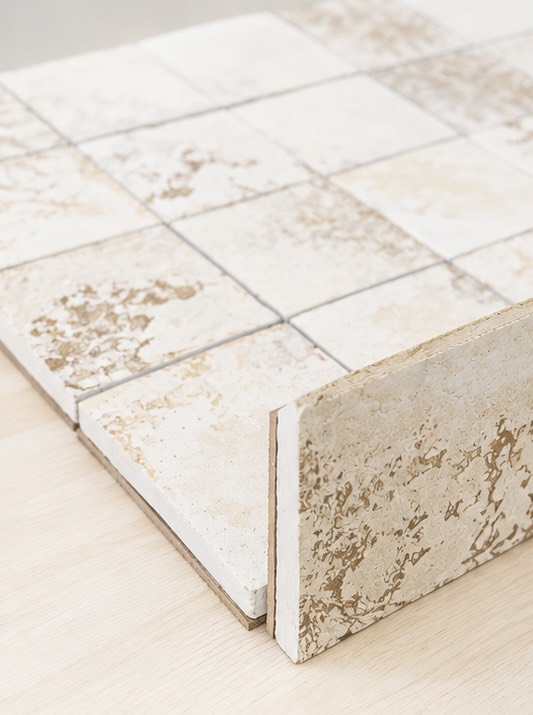
Tiles, blocks, panels, and surface systems for warm, tactile interiors.
Lamp bodies, shades, and sculptural lighting studies using grown composite forms.
Displays, plinths, partitions, and temporary spatial installations.
Protective forms and molded packaging studies using bio-based composite structures.
Early-stage research into modular components, blocks, and surface systems.
Production experiments exploring how fungi, tooling, software, and local waste streams can work together.
Current studies
Our current prototypes focus on small, testable formats that help us understand material behavior before larger-scale architectural applications.
Study 01
Small-format tiles for texture, density, finishing, and installation studies.
Study 02
Block-like forms for display, furniture, and spatial composition experiments.
Study 03
Relief patterns and porous geometries for future acoustic testing.
Study 04
Warm, tactile forms for desktop and interior lighting studies.
Study 05
Simple components for stools, shelves, benches, and object systems.
Study 06
Material pieces designed for handling, display, and conversation.
Collaboration
Culture Assembly is open to collaborations with architects, interior designers, curators, brands, hospitality projects, material researchers, and production partners interested in low-impact interiors, experimental objects, and regional bio-based production.